
AUTHENTIEKE AUDIOTOUR ZET LICHAAM CENTRAAL
Moos van den Broek, 20 mei 2023
Gezien op 19 mei 2023, SPRING Festival, Utrecht
https://www.theaterkrant.nl/recensie/motus-mori-reliquiem/katja-heitmann/
Keuze van de criticus
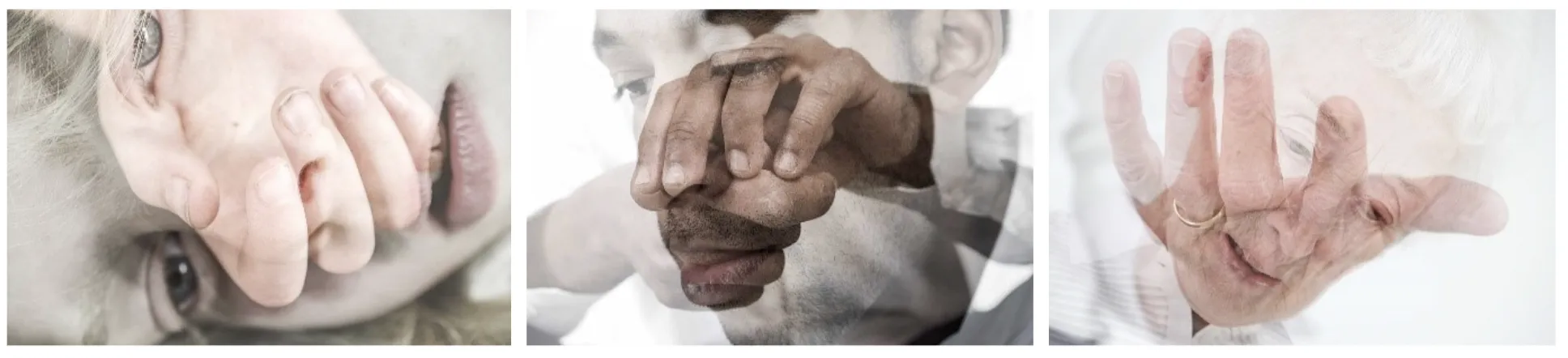
Choreograaf Katja Heitmann, bouwt aan een bijzonder archief, al 1500 mensen doneerden hun bewegingen. Uit die verzameling bewegingen creëerde ze een nieuwe voorstelling, waarin het publiek zich ditmaal verplaatst in het lichaam van mensen uit het archief. Welk contact hebben we met ons lichaam en dat van de ander? Lichamelijk bewustzijn, empathie en ontroering wisselen elkaar af; Reliquiem is een gelaagde reis naar wat het lichaam ons in diepste zin vertelt.
Jarenlang verzamelde Heitmann de bewegingen van haar ‘publiek’. In één op één ontmoetingen noteerden dansers aan de hand van interviews de bewegingen van deelnemers om ze vervolgens te transformeren naar hun eigen lichaam in een performance. Om een gelaagd archief op te bouwen nestelde ze zich diep in de samenleving, zo werden bijvoorbeeld ook groepen ouderen opgezocht. In een volgende fase binnen het project Motus Mori ontwikkelde ze Reliquiem, een vrij eenvoudige performance waarin het publiek via de koptelefoon fysiek als het ware door het archief wordt geleid.
Na een kleine, hyper-persoonlijke introductie van Heitmann zelf worden we, een dertigtal deelnemers, naar een ruimte geleid waarin een cirkel witte stoelen staat opgesteld. De ruimte, gecreëerd op de gang van de bovenverdieping van Utrecht Centraal, wordt afgeschermd met ziekenhuisschermen en heeft daarmee een wat klinische uitstraling. Op onze stoel ligt een koptelefoon. Als we hem opzetten, leidt een mannenstem ons de performance in. Nadat we ons via de instructies hebben geconcentreerd op de positie van ons eigen lichaam, leidt de stem ons naar het lichaam van anderen; een reeks mensen uit het archief die met voornaam worden genoemd.
Aan de hand van nauwkeurige beschrijvingen concentreren we ons op onze voeten en kopiëren we verschillende loopjes terwijl we en groupe in een cirkel door de ruimte bewegen. Daarna volgen ook andere delen van het lichaam. De wat zwaar beladen muziekcompositie van Sander van der Schaaf – een tokkelende gitaar zo nu en dan gemengd met het geluid van een kloppend hart – zet emoties kracht bij als de stem ons leidt naar, of zeg maar liever ‘door’ de verschillende lichamen, waaronder ook ouderen, kinderen en mensen met een beperking. We leren ze kennen via ons lichaam, een bijzondere ervaring die eigenlijk heel direct de weg naar het empathisch vermogen opent, en daarmee is deze voorstelling meteen ook een mooi sociaal ‘document’.
Teksten zinspelen zo nu en dan op de grotere betekenis van het begrip bewegen en halverwege de performance krijgen ook de stemmen van mensen uit het archief een rol in de fysieke audiotour. Concentratie op de ademhaling benadrukt de existentiële beleving van de performance. Wie ben ik en wie is die ander? Waartoe en hoe bewegen wij en hoe leeft het lichaam voort in de herinnering? Dat zijn de grote vragen die Reliquiem uiteindelijk stelt. Met consequente eenvoud en het commitment van een ware onderzoeker analyseert Heitmann het lichaam. Dat lichaam, dat ons alles biedt maar in dit digitale tijdperk totaal wordt ontkend.
Heitmann heeft een missie! Ontegenzeggelijk. In Motus Mori geeft ze het lichaam terug aan een maatschappij, die de waarde ervan uit het oog dreigt te verliezen. Urgenter kan kunst niet zijn. Maar behalve urgent is Reliquiem ook zeer ontroerend. Immers, het lichaam is vergankelijk en confronteert ons met eindigheid.
English translation:
AUTHENTIC AUDIO TOUR PUTS BODY AT CENTRE STAGE
Moos van den Broek, 20 May 2023
Seen on 19 May 2023, SPRING Festival, Utrecht
https://www.theaterkrant.nl/recensie/motus-mori-reliquiem/katja-heitmann/
Critic’s choice
Choreographer Katja Heitmann is building an extraordinary archive; already 1,500 people donated their movements. From that collection of movements, she created a new performance, in which this time the audience moves into the bodies of people from the archive. What contact do we have with our bodies and those of others? Physical awareness, empathy and emotion alternate; Reliquiem is a layered journey into what the body tells us in the deepest sense.
For years, Heitmann collected the movements of her ‘audience’. In one-on-one encounters, dancers used interviews to note participants’ movements and then transform them into their own bodies in a performance. To build a layered archive, she nestled deep into society, for example, groups of elderly people were also sought out. In a subsequent phase within the Motus Mori project, she developed Reliquiem, a fairly simple performance in which the audience is physically guided through the archive via headphones, as it were.
After a small, hyper-personal introduction by Heitmann herself, we, some 30 participants, are led to a room in which a circle of white chairs is arranged. The space, created in the corridor of the upper floor of Utrecht Central Station, is screened off with hospital screens and thus has a somewhat clinical feel. On our chair is a set of headphones. When we put it on, a male voice leads us into the performance. After we concentrate on the position of our own bodies via the instructions, the voice leads us to the bodies of others; a series of people from the archive who are mentioned by first name.
Using precise descriptions, we concentrate on our feet and copy different walks as we move en groupe in a circle through space. This is followed by other parts of the body. The somewhat heavily laden music composition by Sander van der Schaaf – a strumming guitar occasionally mixed with the sound of a beating heart – sets off emotions as the voice leads us to, or rather says ‘through’ the different bodies, including the elderly, children and people with disabilities. We get to know them through our bodies, a special experience that actually very directly opens the way to empathy, and thus this performance is also immediately a beautiful social ‘document’.
Texts occasionally hint at the larger meaning of the concept of movement, and halfway through the performance, the voices of people in the archive are also given a role in the physical audio tour. Concentration on breathing emphasises the existential experience of the performance. Who am I and who is the other? To what and how do we move and how does the body live on in memory? These are the big questions that Reliquiem ultimately asks. With consistent simplicity and the commitment of a true researcher, Heitmann analyses the body. That body, which offers us everything but is totally denied in this digital age.
Heitmann has a mission! Undeniably so. In Motus Mori, she gives the body back to a society that is in danger of losing sight of its value. Art could not be more urgent. But apart from being urgent, Reliquiem is also very moving. After all, the body is transient and confronts us with finiteness.